
Vrishabhavathi River

The Vrishabhavathi River supported a rich diversity of life throughout June, with numerous sightings of insects, birds, reptiles, and mammals. However, its overall health was frequently compromised by unhealthy air quality levels and the emergence of nearby fire hotspots, despite consistent rainfall.
Threats
Frequent readings of PM10 and PM2.5 indicated unhealthy air quality (AQI 169, 161, 177, 128), with PM10 exceeding 170 µg/m³ and PM2.5 reaching 86 µg/m³ on multiple occasions throughout the month.
Fire hotspots were detected starting June 14th (22km away), intensifying on June 16th (8.9km away), indicating a persistent and close-range threat to the river's surrounding ecosystem.
Solutions
- →Implement continuous, real-time air quality monitoring stations along the river to identify pollution sources and patterns more precisely.
- →Establish rapid response protocols for detected fire hotspots, including coordination with local fire services and community alerts.
- →Launch public awareness campaigns on the health impacts of air pollution and fire prevention strategies for communities near the river.
- →Conduct regular water quality assessments to understand the impact of air pollution and potential runoff on the river's aquatic ecosystem.
Species spotted
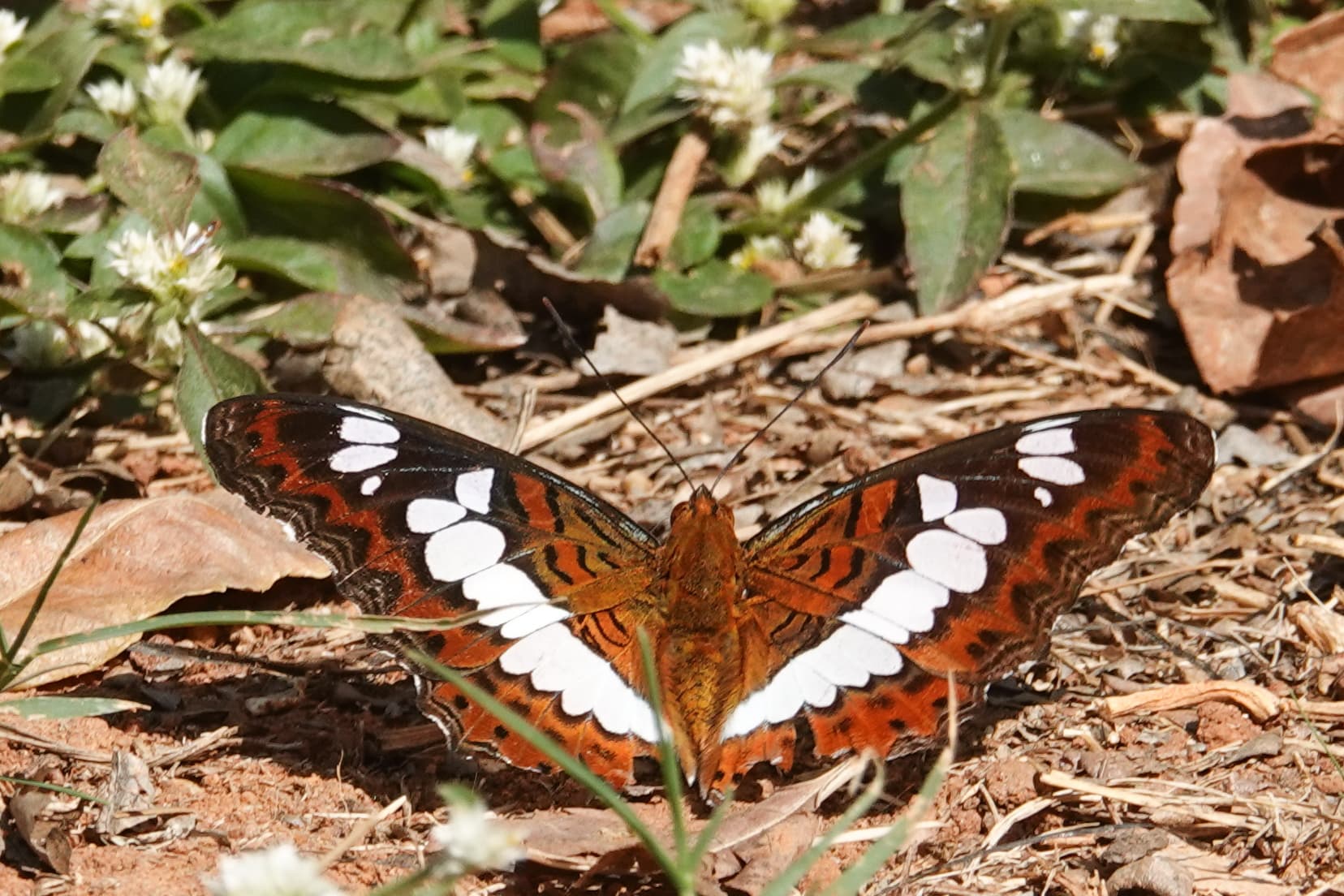
Commander
insects · 10 sightings

Domestic Cat
animals · 7 sightings
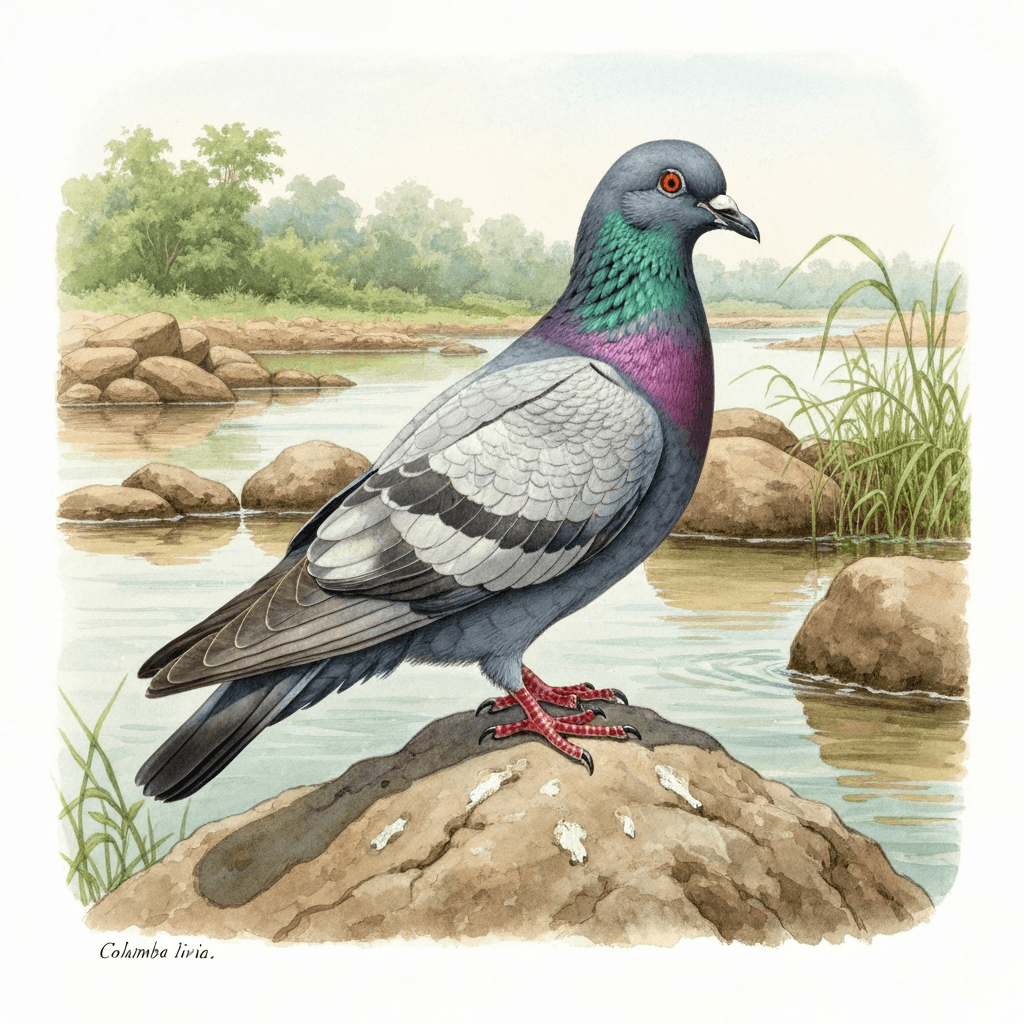
Rock Pigeon
birds · 5 sightings
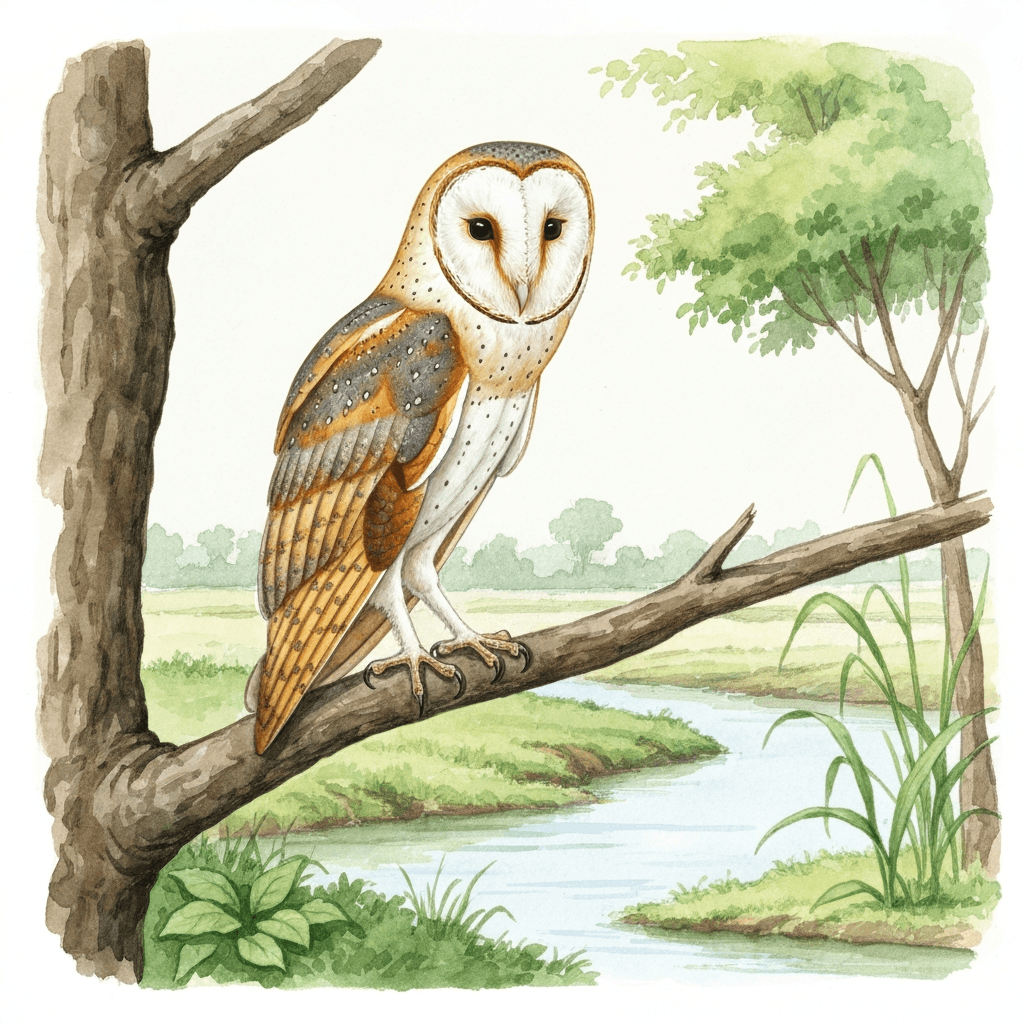
Eastern Barn Owl
birds · 3 sightings

Domestic Dog
animals · 2 sightings
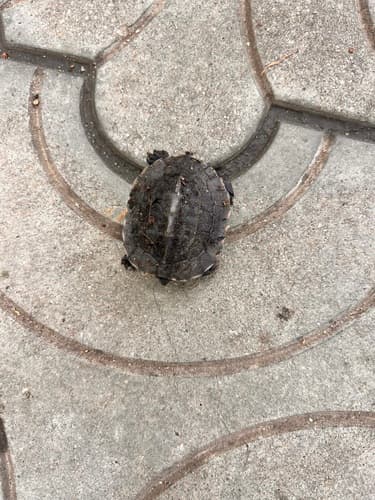
Indian Black Turtle
animals · 2 sightings
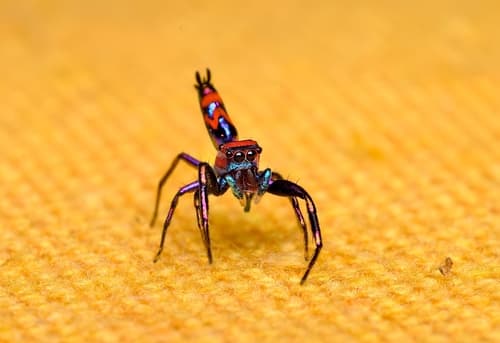
Chrysilla volupe
insects · 2 sightings
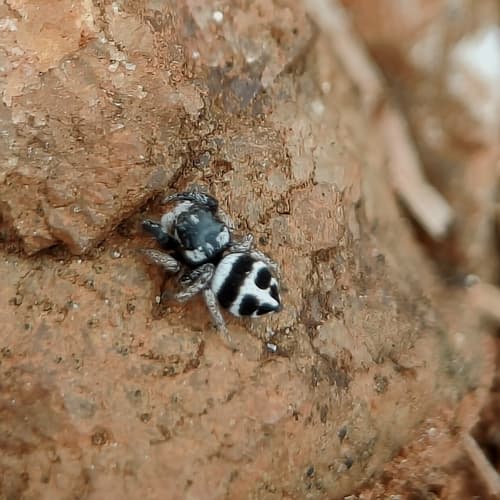
Pellenes iva
insects · 2 sightings
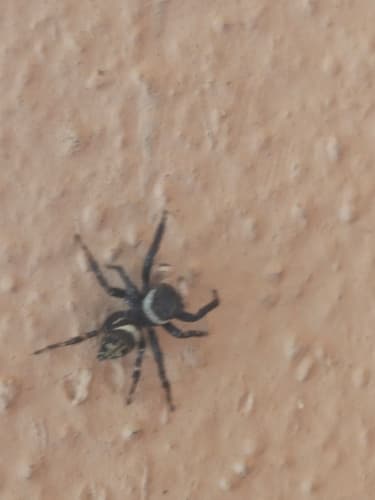
Adanson's House Jumper
insects · 2 sightings