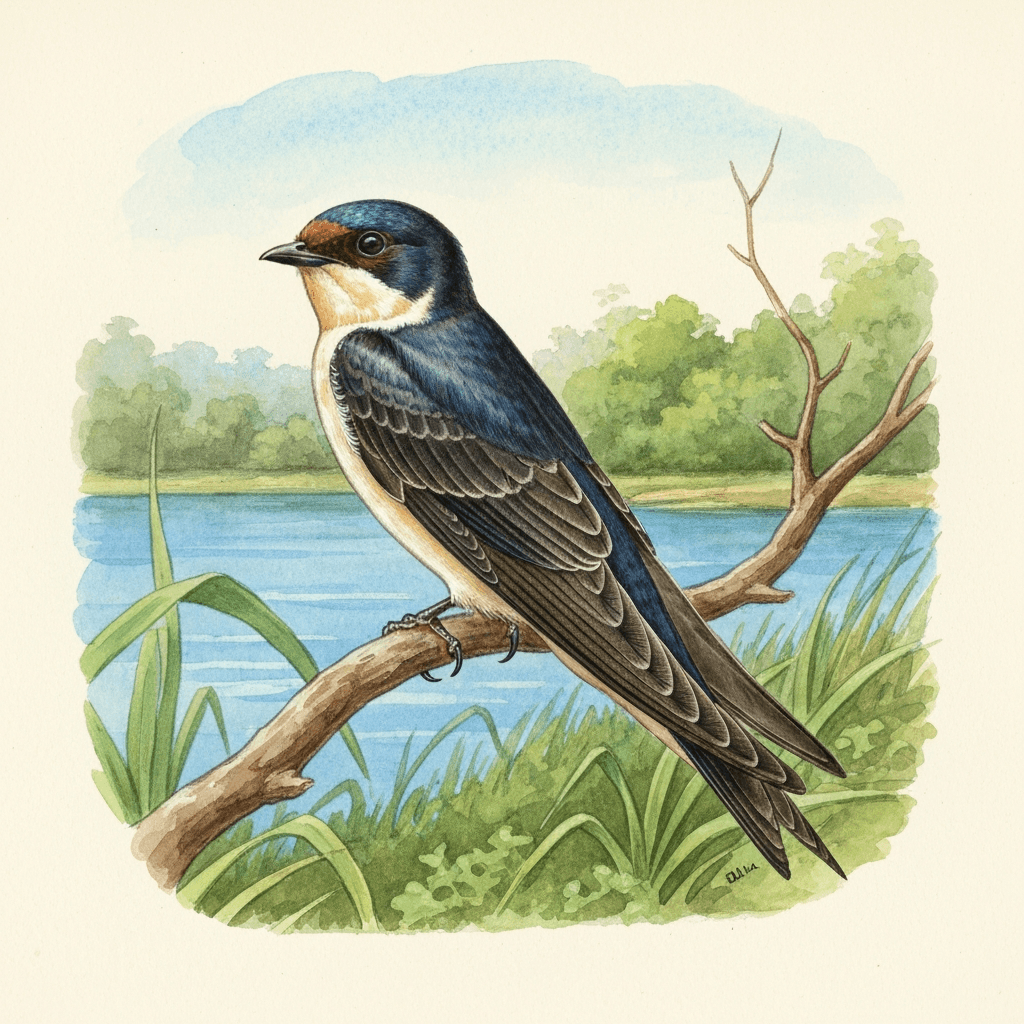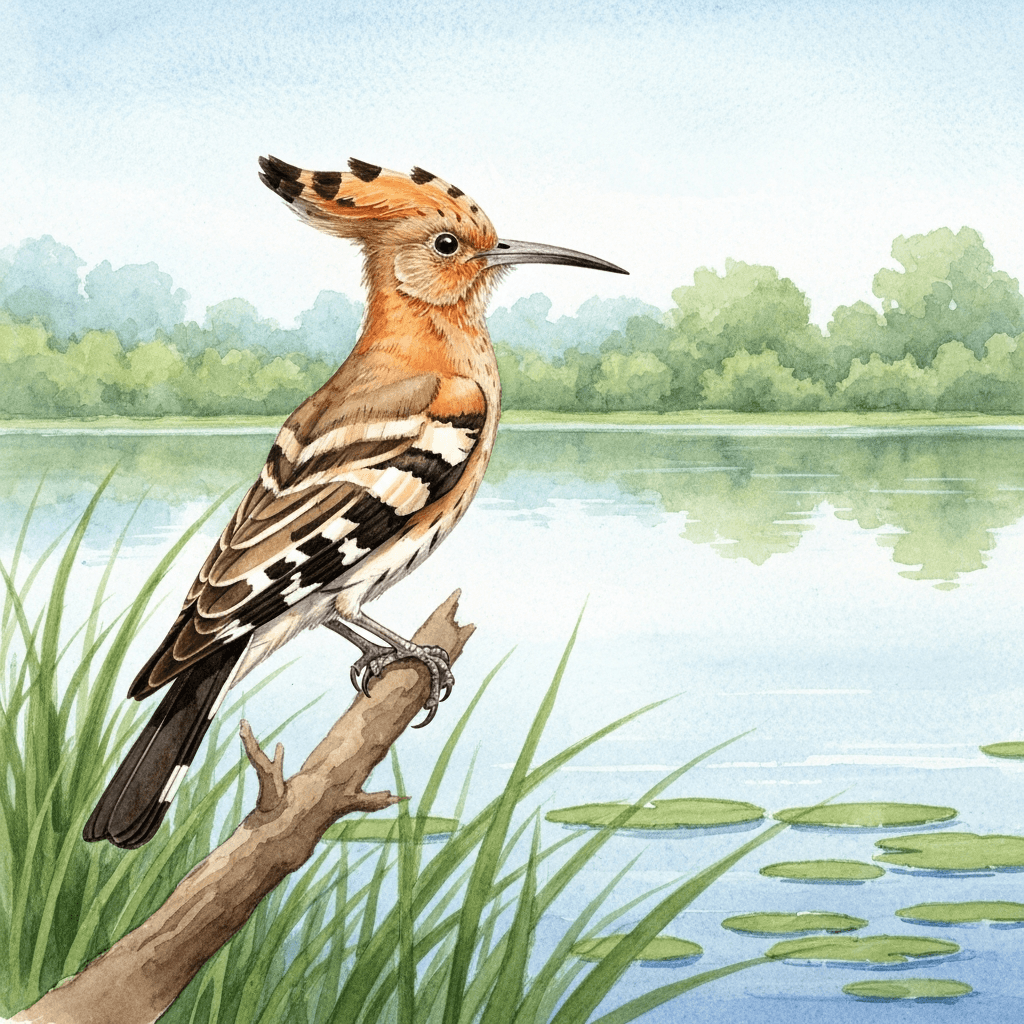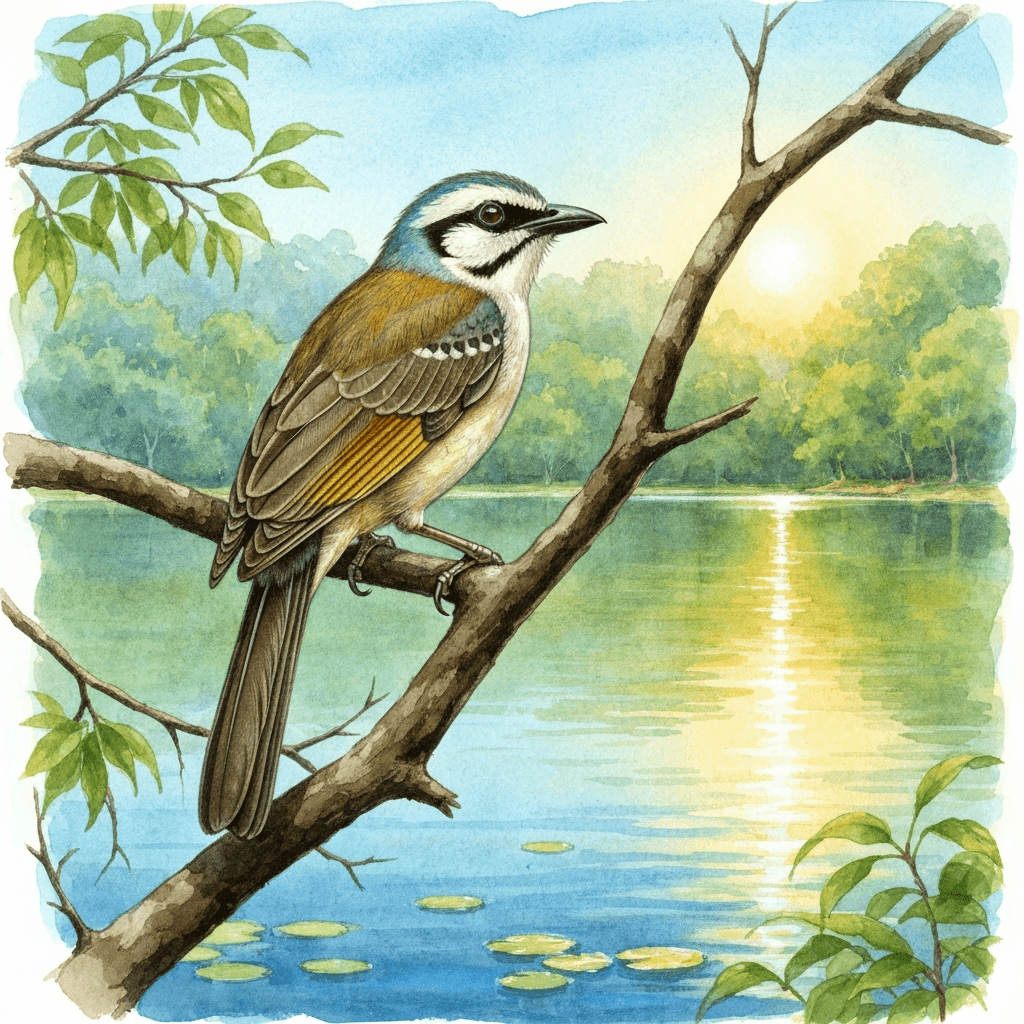
Ooty Lake

Ooty Lake's overall health is threatened this month, primarily due to ongoing, extensive deforestation in its surrounding areas and frequently poor air quality. While water temperature and fire risk remained stable, the continuous loss of tree cover and atmospheric pollution pose serious long-term ecological risks.
Threats
216.8 hectares of tree cover have vanished since 2019, with 396 GLAD deforestation alerts in the last year, indicating significant and ongoing habitat loss around the lake.
PM2.5 and PM10 levels frequently reached unhealthy or unhealthy for sensitive groups ranges (e.g., AQI 149, 161, 169, 184.2; PM2.5 up to 184.2 µg/m³; PM10 up to 247 µg/m³), indicating significant atmospheric pollution.
One fire hotspot was detected 40.7 km from the lake early in the month, though most reports indicated zero fires within 50 km. This suggests a low but present risk.
Solutions
- →Implement and rigorously enforce anti-deforestation laws, increasing patrols and monitoring of forest areas surrounding Ooty Lake.
- →Conduct a detailed source apportionment study for air pollution to identify and mitigate the main contributors to high PM2.5 and PM10 levels.
- →Initiate large-scale reforestation and afforestation programs using native species in deforested areas to restore tree cover and ecological balance.
- →Establish community-led conservation initiatives and public awareness campaigns to foster local stewardship and participation in protecting the lake's ecosystem.
Species spotted
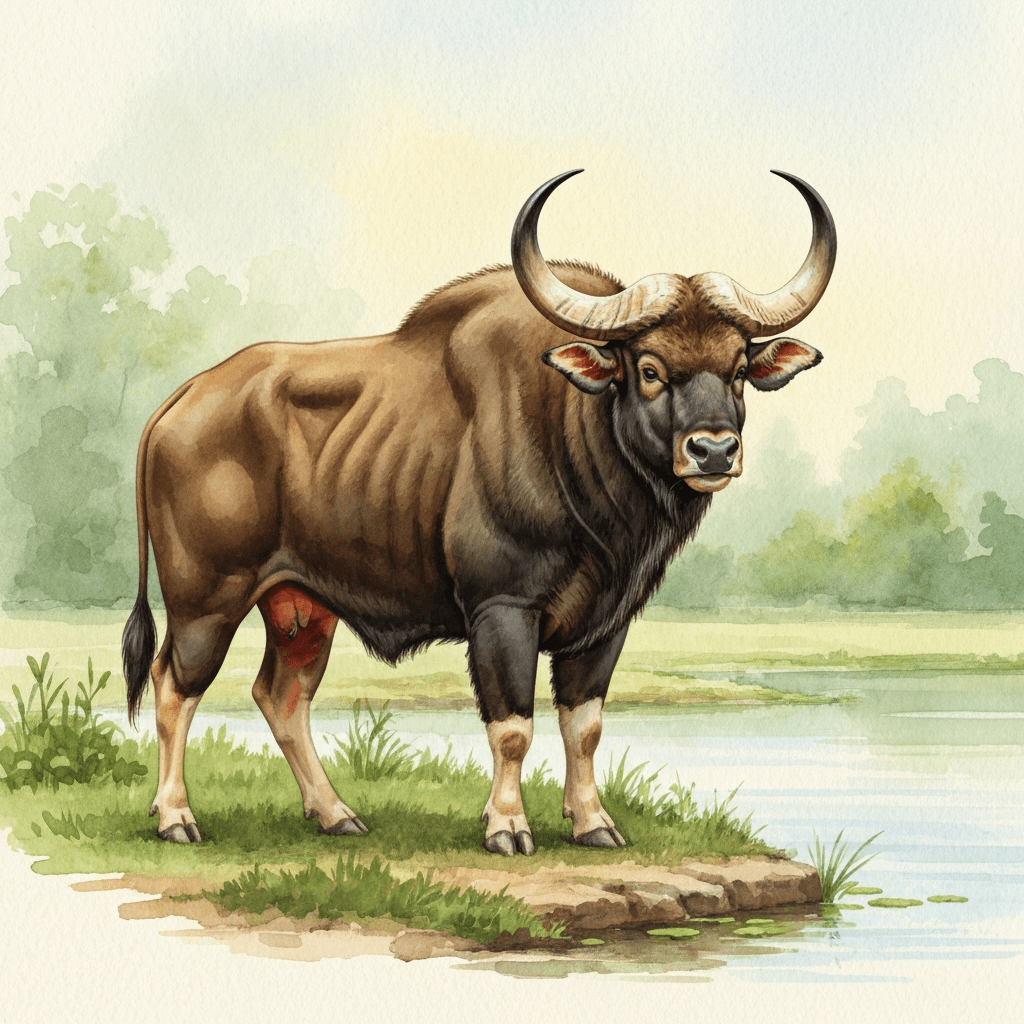
Gaur
animals · 14 sightings
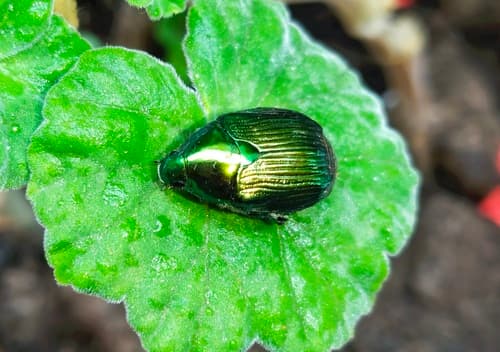
Callistethus regina
insects · 7 sightings
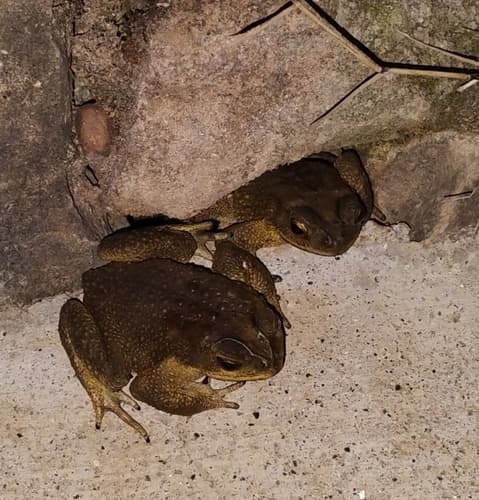
Asian Common Toad
animals · 5 sightings
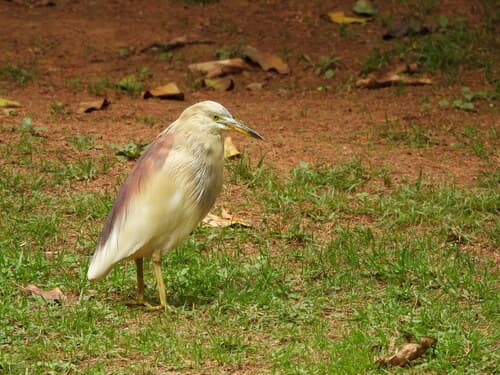
Indian Pond-Heron
birds · 4 sightings

Impatiens cuspidata
trees · 3 sightings
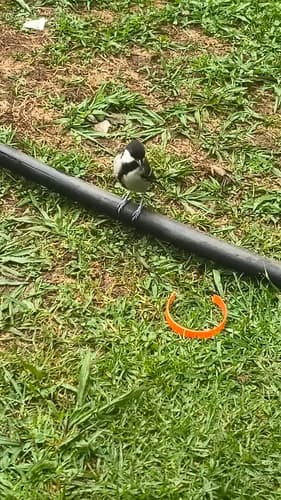
Asian Tit
birds · 2 sightings