
Living Profilewetland
Bhitarkanika National Park
June 2026stressed68 signals analysed

Bhitarkanika's overall health this month was stressed by recurring periods of unhealthy air quality and high humidity with inconsistent rainfall. While wildlife populations, like chital and Lesser Adjutants, appeared to thrive, the wetland faced atmospheric challenges.
Threats
Poor Air Qualityhigh
Multiple reports indicated PM2.5 levels in the 'Unhealthy' range (152-187 µg/m³), causing haze and a 'heavy veil' over the wetland.
Water Stresslow
Despite high humidity and brewing thunderstorms, several reports noted no rainfall for extended periods, contributing to relatively low soil moisture (17-30%) and low river flow (0.1-0.4 m³/s).
Solutions
- →Implement continuous, real-time air quality monitoring stations to identify pollution spikes and potential sources.
- →Develop and enforce stricter regulations on industrial and agricultural emissions in surrounding areas to mitigate air pollution.
- →Conduct a detailed hydrological study to assess the long-term impact of inconsistent rainfall and low river flow on wetland health.
Species spotted
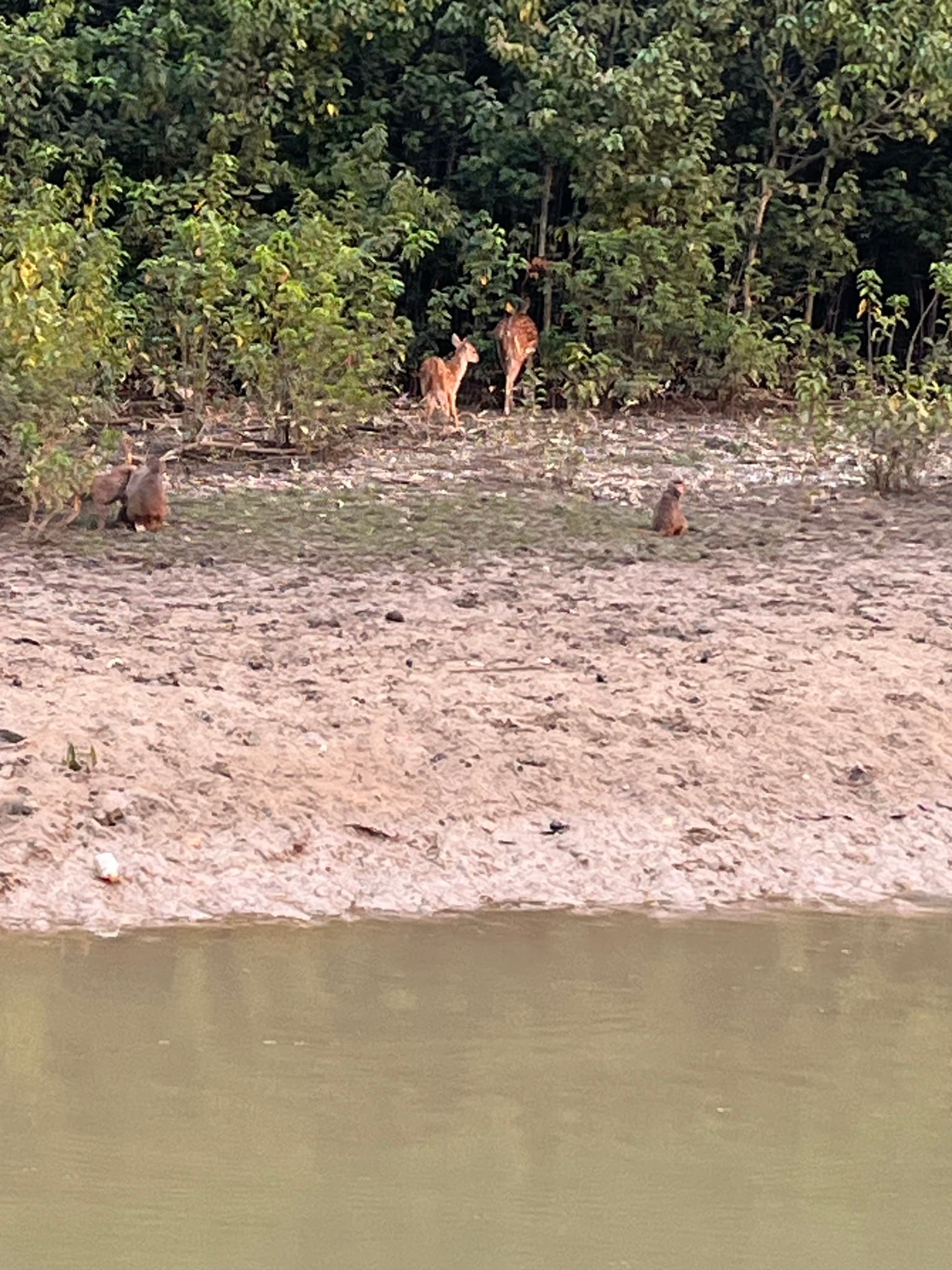
Axis axis
animals · 16 sightings

Lesser Adjutant
birds · 5 sightings
Month by month
June 2026
stressedBhitarkanika experienced fluctuating air quality and persistent humidity, with wildlife thriving despite occasional water stress.
May 2026
threatenedBhitarkanika faced severe air pollution and persistent fire threats this month, stressing its wetland ecosystem.